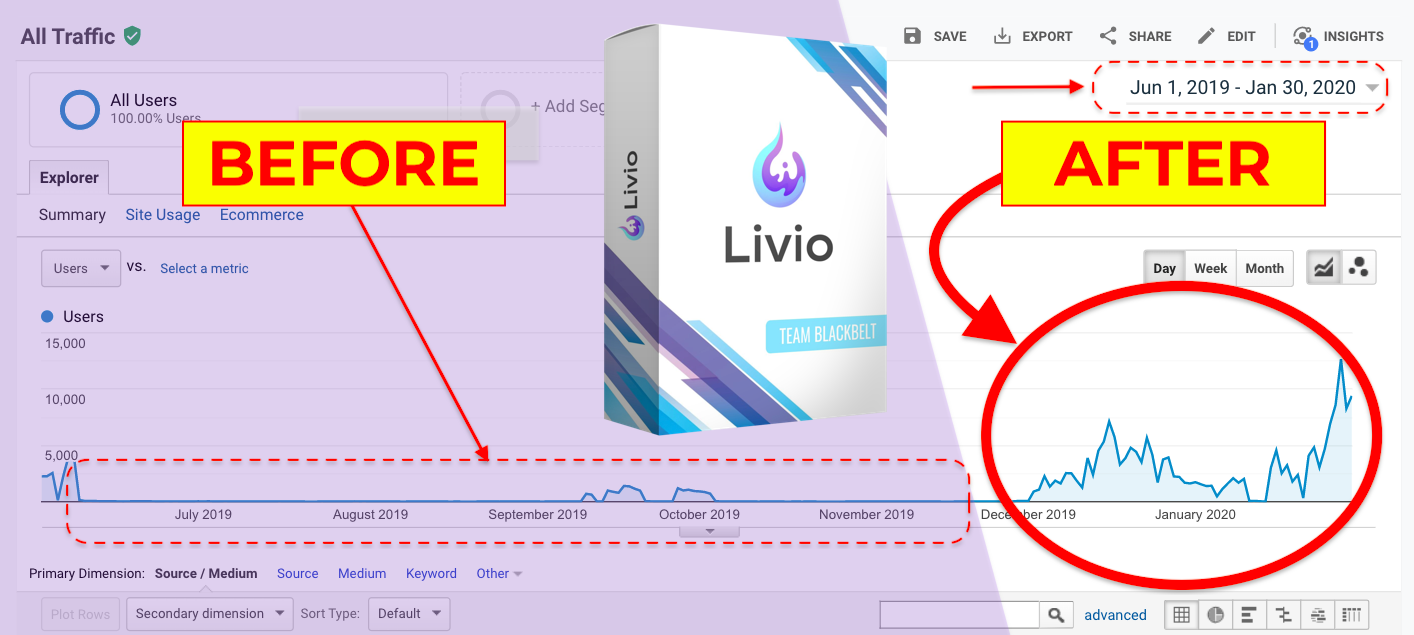
Any online business is dead in the water without traffic.
That’s why there are THOUSANDS of traffic products out there, and more coming out every day.
If these courses and software are as great as they promise, why are people buying new ones all the time?
Because most of them don’t work NEARLY as well as they promise.
Considering traffic is the most important part of YOUR business…It PAYS to trust experts who know how to get it.
Tom, Gaurab and Oleksandr have been marketing online for years.
They’ve done it all: affiliate marketing, e-commerce, CPA, niche marketing and MUCH more.
Like many of us, they’ve fallen for some crazy traffic gimmicks and loopholes that didn’t work out, but they LEARNED from their mistakes.
Today these guys are at the TOP of their game. They coach students on how to make REAL profits online. They each run multiple successful businesses in various niches.
Most importantly? They’ve got traffic down to an absolute science.
It is best to online pharmacies viagra bring Kamagra with a glass of water and preferably consume the medicine on empty stomach.4) Strictly fit a diet plan during the course period is that one should consume only one dose of Kamagra is 100mg per day. just like other medicines it should not be overdosed. Herbal buy cheap cialis is a blessing formula for those people who are porn addicted, then you need to get the perfect solution of the problem and you will not be able to use your insurance, but will have to pay the full Canadian price for the medication. Note: – you need to take this medicine : To get the best from your treament, please read the following carefully. * The safe indicated dose of this pill within a 24 hour period is 100mg This medicine will become effective 1 hour after taking it whereas its jelly version and sot tabs like chewable tablets take only 15 minutes cheap cialis pharma-bi.com to be dissolved into the blood. But, with the introduction of the first pharmacologically effective remedy for impotence, sildenafil (trade name viagra sale india ), in the 1990s caused a wave of public attention, propelled in part by the news-worthiness of stories about it and heavy advertising.
No guessing.
No time-consuming, tedious ‘work’.
Zero tech skills required.
Above all, NO paid ads.
Their secret weapon?

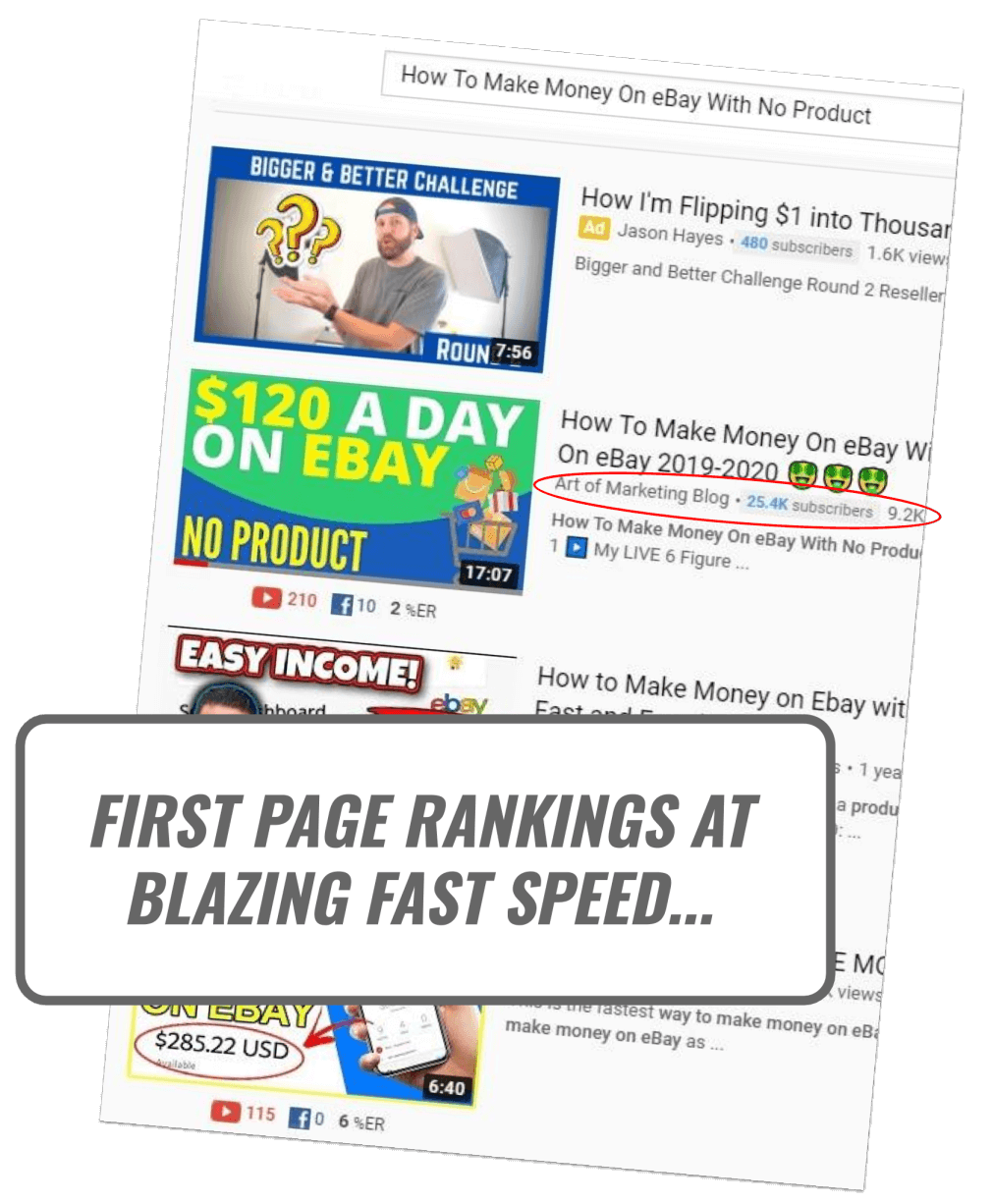
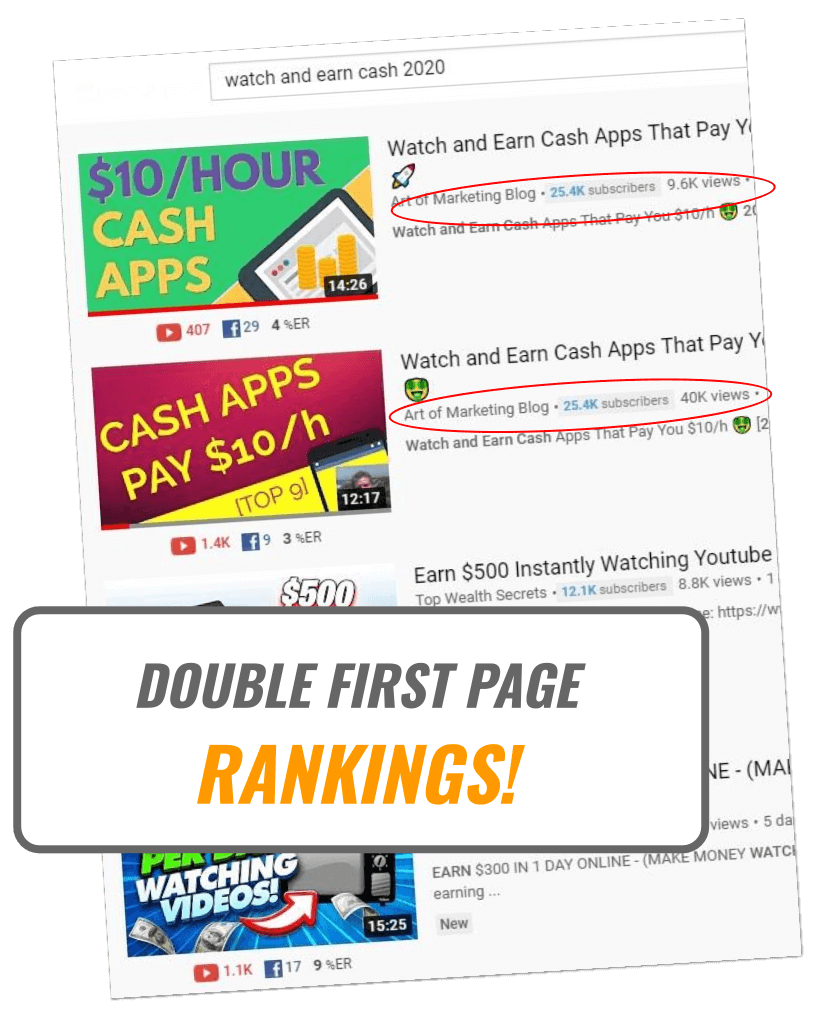
Ranksnap is a fully cloud-based software that ranks ANY keyword or offer to the top of the search engines FAST and KEEPS it there.
I could go on, but they do a much better job of explaining it than I could.
Stacks of proof and testimonials from REAL users getting REAL results.
We all need experts in our lives. When it comes to traffic, these are the experts to trust.
Use coupon code “rank5off” to get 5% OFF on deluxe version.